

Does Vaginal Rejuvenation Actually Work? What the Evidence Shows
An honest, clinical overview of who benefits from non-surgical vaginal rejuvenation, what the evidence supports, and how to know if you are a candidate.
Reviewed by Dr. Leslie Apgar, MD | Pura Vida Med Spa, Fulton and Marriottsville, MD
The answer to this question depends on asking it more precisely. Vaginal rejuvenation is not a single treatment, it is a category of procedures. Whether it works depends on which procedure, for which patient, for which specific concern. Asked that way, the answer is: yes, with meaningful clinical evidence, for specific patients with specific conditions.
Dr. Leslie Apgar founded Pura Vida Med Spa with a background in obstetrics and gynecology, which means our approach to intimate wellness is grounded in clinical medicine, not aesthetics marketing. When patients at our Fulton and Marriottsville, MD locations ask whether vaginal rejuvenation works, we give them the same answer we would give in a medical office: it depends on the evidence, the indication, and the individual.
Related: Perimenopause symptoms | Menopause belly | Hormone therapy and weight loss
What Non-Surgical Vaginal Rejuvenation Actually Is
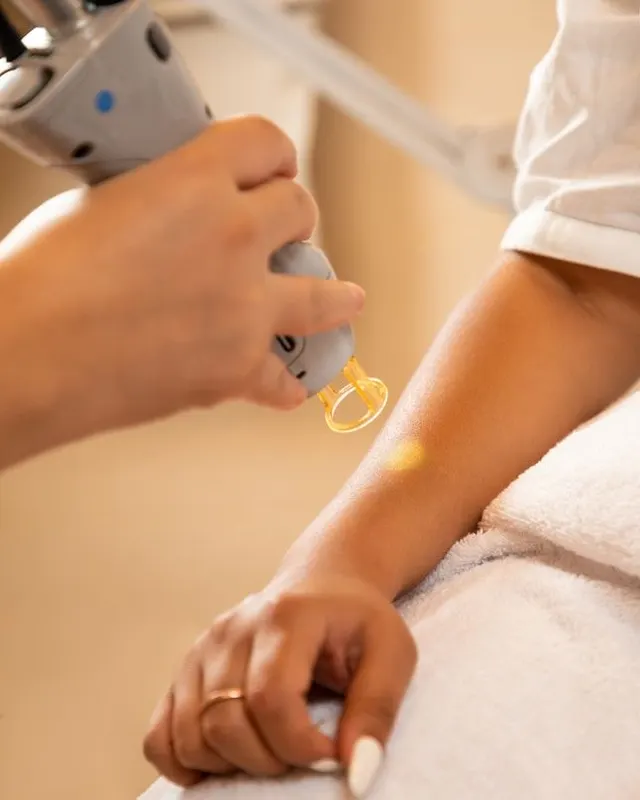
Non-surgical vaginal rejuvenation refers to in-office procedures that stimulate collagen remodeling and tissue regeneration in the vaginal mucosa and vulvar tissue without surgery. The two primary energy-based approaches used in medical spas and OB/GYN offices are:
- Radiofrequency (RF) devices: deliver controlled thermal energy to the vaginal tissue, stimulating collagen production and neovascularization. Treatment is performed externally, internally, or both depending on the indication and device
- Laser devices: use fractionated laser energy to create micro-injuries in vaginal epithelial tissue, triggering a healing response that improves collagen density, lubrication, and tissue elasticity
Both approaches work through the same fundamental principle as their skin rejuvenation counterparts: controlled tissue stimulation that initiates the body's own repair and regeneration process. The result, when properly applied in appropriate patients, is improved tissue hydration, elasticity, and structural support.
What the Clinical Evidence Shows
This is where precision matters. The evidence for non-surgical vaginal rejuvenation is strongest for specific indications:
Genitourinary Syndrome of Menopause (GSM)
GSM, formerly called vaginal atrophy, is the most extensively studied indication for non-surgical vaginal rejuvenation. It affects approximately 50 percent of postmenopausal women and includes symptoms of vaginal dryness, burning, irritation, painful intercourse, and urinary changes. Multiple randomized controlled trials have demonstrated meaningful improvement in GSM symptoms with both RF-based and laser-based vaginal rejuvenation treatments.
A systematic review published in Menopause: The Journal of the Menopause Society evaluated multiple controlled trials and found statistically significant improvements in vaginal dryness, dyspareunia (painful intercourse), and urinary symptoms following energy-based vaginal treatments, with an acceptable safety profile across all studies reviewed.
Vaginal Laxity
Vaginal laxity, most commonly experienced after vaginal childbirth, can affect sexual satisfaction and confidence. Controlled studies have shown improvement in patient-reported measures of vaginal tightness and sexual satisfaction following RF-based vaginal rejuvenation, with results that persist at 6 to 12 month follow-up points in most studies.
Stress Urinary Incontinence
Mild to moderate stress urinary incontinence, the involuntary leakage triggered by coughing, laughing, sneezing, or exercise, has shown improvement in controlled studies following energy-based vaginal treatment. The mechanism involves stimulation of periurethral collagen and support tissue, which improves the structural support of the urethra. Results are meaningful but should be understood as complementary to, not a replacement for, pelvic floor physical therapy or surgical intervention in severe cases.
What the Evidence Does Not Fully Support
Clinical honesty requires acknowledging the limitations of the evidence base alongside its strengths.
Most studies to date use single-arm designs without placebo controls, which limits the ability to fully separate treatment effect from placebo response or natural history. The best-designed studies include sham-controlled arms and show persistent treatment benefit, but the overall evidence base is smaller and less mature than for some other aesthetic indications.
The FDA has issued guidance noting that some vaginal rejuvenation claims from device manufacturers have exceeded what the evidence at that time supported. This applies primarily to broad aesthetic marketing language rather than the specific medical indications reviewed above, where the peer-reviewed literature does demonstrate real clinical benefit.
This is why working with a physician-led practice matters for this category of treatment. Dr. Apgar brings OB/GYN clinical judgment to patient selection for vaginal rejuvenation, evaluating whether the evidence supports the treatment for each individual patient's specific indication.
Who Benefits Most
Based on the current clinical evidence, vaginal rejuvenation produces the most meaningful results for:
- Postmenopausal and perimenopausal women experiencing vaginal dryness, atrophy, or painful intercourse attributable to declining estrogen
- Post-partum women managing vaginal laxity or changes in sensation following vaginal delivery
- Women with mild to moderate stress urinary incontinence who have already completed pelvic floor physical therapy
- Women who prefer a non-hormonal option for GSM management, or who are not candidates for hormone replacement therapy
- Women who want to address multiple genitourinary symptoms simultaneously without surgery
Vaginal rejuvenation is not appropriate for women with active genital infections, undiagnosed vaginal bleeding, certain autoimmune conditions, or current pregnancy. A comprehensive evaluation at Pura Vida establishes candidacy before any treatment begins.
How Many Sessions and What to Expect
Most clinical protocols involve a series of 3 treatment sessions spaced 4 to 6 weeks apart for initial results, followed by annual maintenance. Individual protocols vary by device, indication, and patient response.
Each session is performed in the office and typically takes 15 to 30 minutes. Most patients find the treatment comfortable with minimal to no pain. There is no downtime. Patients are generally advised to avoid intercourse for 48 to 72 hours following internal treatment sessions.
Symptom improvement is typically gradual, with meaningful changes becoming apparent by 4 to 6 weeks after the first session and continuing to develop over the full treatment series. Unlike surgical procedures where results are immediate, energy-based vaginal rejuvenation works through biological tissue remodeling, which takes time.
How This Compares to Hormone Therapy
For women who are candidates for it, hormone replacement therapy addresses GSM by restoring the estrogen environment that maintains vaginal tissue health. Local vaginal estrogen, in particular, is highly effective for vaginal atrophy and is considered first-line treatment in many clinical guidelines.
Non-surgical vaginal rejuvenation is not a replacement for hormone therapy in patients who are appropriate candidates for HRT. It is, however, a meaningful option for women who cannot or prefer not to use hormone therapy, women who want a complementary approach alongside HRT, and women with concerns like laxity that hormones alone do not fully address.
At Pura Vida, Dr. Apgar's background in gynecology allows her to have an informed, nuanced conversation about where vaginal rejuvenation fits alongside hormone therapy, pelvic floor therapy, and other clinical options based on your specific situation.
Related: Hormone therapy | Menopause and perimenopause | Labia and menopause
Vaginal Rejuvenation at Pura Vida Med Spa
Pura Vida offers vaginal rejuvenation at both our Fulton and Marriottsville, Maryland locations, as part of our broader approach to intimate wellness. Every patient begins with a consultation with Dr. Apgar, who evaluates your symptoms, medical history, and candidacy before recommending any treatment protocol. We serve patients from Howard County and the broader Maryland area, including Columbia, Ellicott City, Clarksville, Highland, Laurel, Burtonsville, and Woodbine.
Thinking About Vaginal Rejuvenation?
Schedule a consultation at Pura Vida Med Spa in Fulton or Marriottsville, MD. Dr. Apgar will evaluate your symptoms, review your medical history, and discuss whether vaginal rejuvenation is the right approach for your specific situation.
Book your consultation at Pura Vida Med Spa.
Fulton: (301) 604-8432 | Marriottsville: (410) 816-5173
Frequently Asked Questions: Does Vaginal Rejuvenation Work?
Is vaginal rejuvenation painful?
Most patients find non-surgical vaginal rejuvenation treatments to be well-tolerated with minimal discomfort. RF-based treatments are generally described as a warm sensation. Laser-based treatments may produce mild temporary discomfort in some patients. Topical or local anesthetic can be applied prior to treatment if needed. The procedure typically takes 15 to 30 minutes and there is no significant recovery period afterward.
How long does vaginal rejuvenation last?
Results from a complete initial treatment series typically persist for 12 to 18 months before maintenance is needed. The longevity of results depends on the indication, the treatment used, and individual factors including menopausal status and ongoing hormonal changes. Annual maintenance sessions help sustain improvements over time. Because vaginal tissue continues to change with aging and hormonal shifts, periodic retreatment is expected rather than indicating the treatment was ineffective.
Can vaginal rejuvenation help with urinary incontinence?
For mild to moderate stress urinary incontinence, energy-based vaginal rejuvenation has shown meaningful improvement in controlled clinical studies, with results attributed to stimulation of periurethral support tissue. It is most appropriate as a complement to pelvic floor physical therapy rather than a standalone first-line treatment for incontinence. During your consultation, Dr. Apgar evaluates the severity and type of your incontinence to determine whether vaginal rejuvenation is an appropriate component of your treatment plan.
Is vaginal rejuvenation covered by insurance?
Non-surgical vaginal rejuvenation is considered an elective cosmetic procedure and is not typically covered by insurance, even when performed for GSM or stress urinary incontinence. Pura Vida offers payment plan options and can discuss pricing during your consultation. Costs vary based on the specific treatment protocol and number of sessions.
Who is not a candidate for vaginal rejuvenation?
Vaginal rejuvenation is not appropriate for women with active vaginal or cervical infections, undiagnosed vaginal bleeding, pregnancy, or certain implanted devices. Women with specific autoimmune conditions or photosensitivity disorders may also not be appropriate candidates for energy-based vaginal treatments. Dr. Apgar conducts a thorough medical history review at consultation to confirm candidacy before recommending any treatment.
Does Pura Vida Med Spa offer vaginal rejuvenation in Fulton and Marriottsville, MD?
Yes. Pura Vida Med Spa offers vaginal rejuvenation at both our Fulton (Maple Lawn) and Marriottsville, MD locations, under the clinical direction of Dr. Leslie Apgar, MD. Schedule a consultation to discuss whether you are a candidate and which specific protocol is most appropriate for your symptoms and goals.
Medical Disclaimer: This article is for informational purposes only and does not constitute medical advice. All treatments require evaluation and administration by a licensed medical professional. Individual results vary. Consult with a qualified provider before beginning any treatment.