
How to Fix Droopy Eyelids Without Surgery
Droopy eyelids (ptosis) can be addressed with non-surgical options like neurotoxins, fillers, PRP, and plasma pen, plus prevention strategies.
Our eyes are often said to be the windows to our soul. They allow us to see the world and also express our innermost feelings. However, as we age or due to various other factors, we might start to notice changes in our eye area, including droopy or sagging eyelids, a condition medically known as ptosis.
Ptosis can impact your appearance, causing you to look tired or aged, and in severe cases, it can also obstruct your vision. While eyelid surgery, also known as blepharoplasty, is often performed by a plastic surgeon to correct this issue, many people are interested in non-surgical options to achieve a more youthful appearance.
Droopy Eyelids (Ptosis) Causes
Aging is the most common cause of ptosis. As we age, the collagen and elasticity in our skin decrease, leading to excess skin and drooping eyelids. This process is accelerated by a reduction in the production of natural oils, which leads to dryness and further diminishes skin elasticity. The weakening of muscles around the eyes also contributes to drooping over time, making it a multifaceted issue involving both skin and muscle aging.
Genetics also play a significant role, as individuals may have a predisposition to develop ptosis earlier in life. For example, certain genetic traits may result in weaker connective tissue or a reduced capacity to produce collagen, making some people more susceptible to eyelid drooping even at a younger age.
Lifestyle Factors
Lifestyle factors, including smoking, chronic sleep deprivation, and high-stress levels, can exacerbate skin aging and lead to earlier onset of droopy eyelids. Smoking is particularly detrimental as it reduces blood flow to the skin, leading to decreased oxygen and nutrient delivery, which impairs skin repair and accelerates collagen breakdown. Chronic sleep deprivation inhibits the body's natural repair mechanisms, while high-stress levels lead to elevated cortisol, which can further degrade collagen and weaken skin structure.
When to Seek Treatment
Droopy eyelids can impact your overall appearance, making you look tired or older than you feel. If you are concerned about the aesthetic impact of droopy eyelids and want a more refreshed and youthful look, it may be time to consider treatment. Signs that treatment might be beneficial for cosmetic reasons include noticeable sagging that affects your confidence or makes applying makeup challenging.
For those experiencing more serious issues, such as droopy eyelids interfering with vision, causing discomfort, or contributing to frequent eye strain or headaches, seeking treatment becomes even more important. Persistent irritation of the eyes, difficulty keeping your eyes open, or increased difficulty seeing clearly while performing everyday tasks are also indicators that it's time to consult with a professional. In some cases, droopy eyelids may point to underlying medical conditions that require prompt attention.
Non-Surgical Treatments for Droopy Eyelids
For those seeking to avoid plastic surgery or looking for minimally invasive procedures, there are several non-surgical treatments that can rejuvenate the eye area and provide an eye lift, creating a more refreshed and youthful appearance.
Neurotoxin Injections
Neurotoxins such as Botox, Dysport, and Daxxify have been used extensively in the field of cosmetic surgery for various indications, including the treatment of droopy eyelids. These neurotoxins are a purified form of Botulinum toxin, which when injected into the muscles around the eye, relaxes them. This relaxation can result in a subtle brow lift, reducing the heaviness on the upper lid and thus alleviating the drooping effect.
Neurotoxin injections typically last for three to six months before requiring a top-up treatment. Side effects are minimal but may include temporary bruising or discomfort at the injection site. Always ensure your treatment is administered by an FDA-approved practitioner to minimize potential risks.
Dermal Fillers
Dermal fillers such as Bellafill, Restylane, RHA Fillers, and Sculptra can be used to correct mild to moderate cases of ptosis. These fillers, usually composed of substances naturally found in the body like hyaluronic acid or polylactic acid, are injected into the upper face. They provide volume and lift to the eye area, reducing the appearance of sagging or drooping eyelids.
The longevity of dermal fillers varies depending on the type of filler and individual metabolism, but typically, results can last anywhere from six months to two years. Side effects are generally minimal but can include temporary bruising, swelling, or redness at the injection site.
PRP Injections
Platelet-Rich Plasma (PRP) injections have become increasingly popular in the field of aesthetic medicine. PRP is derived from your own blood and is rich in growth factors that stimulate collagen production and improve skin elasticity. When injected into the skin around the eyes, it can help tighten the eyelid skin and reduce droopiness.
PRP injections typically require a series of treatments for optimal results. Side effects are rare, considering the product is derived from your own blood, but may include temporary discomfort or minor swelling.
Plasma Pen Treatments
Plasma Pen treatments are an advanced non-surgical option to treat sagging eyelids. The treatment uses a device that discharges a precise arc of energy onto the skin's surface, stimulating fibroblast activity, which in turn generates new skin tissue and tightens the skin.
Multiple sessions may be needed for best results, and the effects can last for several years. Potential side effects include temporary redness, swelling, and minor discomfort.
Other Non-Surgical Options
In addition to the non-surgical treatments already mentioned, there are other therapies that some patients may explore to address droopy eyelids without undergoing surgery.
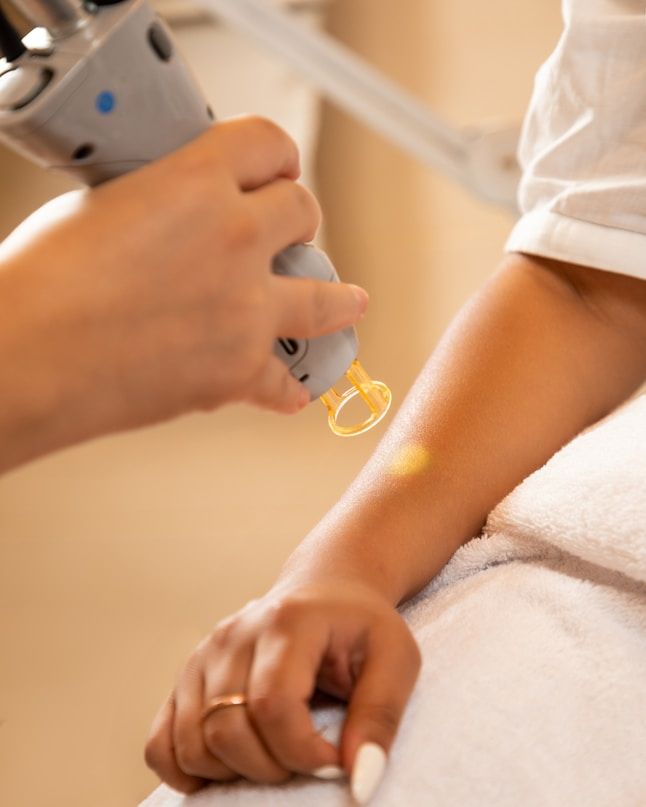
- Radiofrequency (RF) Skin Tightening: RF Skin Tightening uses radiofrequency energy to heat deeper skin layers, promoting collagen production and tightening the skin. This treatment can be effective for mild eyelid drooping and involves minimal discomfort. Multiple sessions are usually needed, and effects last several months.
- Laser Skin Resurfacing: Laser skin resurfacing, particularly with fractional CO2 lasers, like the CoolPeel, can help improve the appearance of skin around the eyes by reducing fine lines and tightening the skin. However, when it comes to treating droopy eyelids, using CoolPeel directly on the eyelids requires a lot of caution due to the sensitivity of the area.
- Ultherapy: Ultherapy uses ultrasound technology to stimulate collagen production and tighten skin. However, it is not typically used for droopy eyelids specifically, but rather for lifting other areas of the face and neck. Patients should consult with a professional to determine if this treatment is suitable for their needs.
Surgical Procedures for Droopy Eyelids
For individuals with moderate to severe ptosis or droopy eyelids, surgical intervention may be the most effective solution. There are several types of surgical procedures available, each targeting different aspects of drooping eyelids to achieve both functional and cosmetic improvements.
These procedures are typically performed by a board-certified plastic surgeon or oculoplastic surgeon and can offer long-term results for patients seeking an improvement in both their vision and aesthetics. However, it is important to note that while the results are generally long-lasting, they are not permanent and may require maintenance over time.
Blepharoplasty
Blepharoplasty is the most common surgical procedure for droopy eyelids. It involves the removal of excess skin, muscle, and sometimes fat to lift the eyelid, improving both appearance and functionality. This procedure can significantly reduce sagging and create a more youthful look. Blepharoplasty is often performed under local anesthesia and typically has a relatively short recovery period, with most patients resuming basic activities within a week or two. However, complete recovery can take several weeks, and swelling and bruising may last longer for some individuals.
Ptosis Surgery
Ptosis surgery focuses on tightening the levator muscle, which is responsible for lifting the eyelid. This procedure is ideal for patients whose drooping is primarily due to weakened or stretched eyelid muscles. By enhancing the function of the levator muscle, ptosis surgery can improve eyelid elevation and restore a more natural look. It is important to note that outcomes can vary, as results depend on the muscle's condition and individual healing. Recovery from ptosis surgery may take a few weeks, during which patients might experience some swelling or bruising.
Brow Lift Surgery
Brow lift surgery is another option for addressing droopy eyelids, particularly when sagging in the brow area contributes to the problem. By lifting the brow, this procedure helps reduce the heaviness on the upper eyelids and creates a more open and refreshed appearance. Brow lift surgery can be performed using different techniques, including endoscopic methods that are often less invasive and may have shorter recovery times. However, recovery experiences can vary, and some initial swelling and bruising are common. The results are often long-lasting and can greatly enhance both the aesthetic and functional aspects of the eye area.
Complementary Treatments and Skincare
Aside from these treatments, incorporating a good skincare routine can play a critical role in maintaining the results and ensuring the continued health of your eyelids. Using products that are specifically designed for the eye area, such as hydrating eye creams or serums rich in peptides, can improve skin texture and elasticity. These products can also reduce the appearance of under-eye bags and hollows, further enhancing your rejuvenation efforts.
In addition, lifestyle modifications can significantly impact the health and appearance of your skin. A balanced diet rich in antioxidants, adequate hydration, quality sleep, and regular exercise can all contribute to maintaining skin health and slow down the aging process.
How to Prevent Droopy Eyelids from Forming
While aging is a natural and inevitable factor leading to droopy eyelids, there are lifestyle habits that can help slow down the process. By practicing these preventive measures, you can help maintain the elasticity and youthfulness of your eyelids for a longer time.
Protecting Against Sun Damage
Protecting the skin around your eyes from sun damage is crucial in preventing droopy eyelids. Wear sunglasses that offer UV protection to shield your eyes from harmful rays. Additionally, applying sunscreen specifically formulated for sensitive skin around the eyes can help prevent collagen breakdown and skin aging caused by sun exposure.
Hydration and Skincare
Maintaining good skin hydration is essential for preventing droopy eyelids. Use a high-quality moisturizer designed for the eye area to keep the skin supple and prevent dryness, which can lead to sagging. Incorporating eye creams that contain ingredients like hyaluronic acid and peptides can further support skin elasticity and hydration.
Avoiding Smoking
Smoking accelerates collagen loss and contributes to premature skin aging, including droopy eyelids. Quitting smoking not only benefits your overall health but also helps preserve the skin's elasticity and prevent early onset of eyelid sagging.
Diet and Nutrition
A balanced diet rich in antioxidants can support skin health and prevent droopy eyelids. Foods high in vitamins C and E, as well as omega-3 fatty acids, help protect the skin from oxidative stress and promote collagen production. Including a variety of colorful fruits and vegetables, nuts, and fatty fish in your diet can make a significant difference in maintaining skin elasticity.
Quality Sleep and Stress Management
Getting enough quality sleep is vital for promoting overall wellness and preventing droopy eyelids. Sleep allows the body to repair and regenerate, which includes maintaining healthy skin. Aim for 7-9 hours of sleep each night, and practice good sleep hygiene, such as keeping a consistent bedtime and creating a comfortable sleep environment. Additionally, managing stress through relaxation techniques like meditation or yoga can reduce cortisol levels, which in turn helps maintain skin health and elasticity.
FAQ
How long do the results of non-surgical eyelid treatments last?
The longevity of results varies depending on the type of treatment, individual skin characteristics, and how well you maintain your results with skincare and lifestyle choices. Neurotoxin injections generally last three to six months, dermal fillers can last from six months to two years, and PRP and Plasma Pen treatments can have effects lasting several years.
Are there any risks or side effects associated with these treatments?
All treatments have potential side effects, though they are typically minimal and temporary. These can include bruising, swelling, redness, or minor discomfort at the injection site. In rare cases, there can be more serious complications, which underscores the importance of having these treatments administered by an experienced, FDA-approved professional.
How quickly can I see results?
Results can often be seen immediately after treatment, though some treatments, like PRP or Plasma Pen, may take a few weeks to months as they rely on the body's natural healing response.
Can I combine multiple treatments?
Yes, many of these treatments can be safely combined to enhance results. For example, a neurotoxin may be used in conjunction with a dermal filler to provide a lift and volume to the eye area.
How can I maintain the results at home?
Maintaining a good skincare routine and making healthy lifestyle choices can greatly enhance and prolong the effects of these treatments. Using high-quality, targeted skincare products, keeping your body hydrated, getting sufficient sleep, and eating a balanced diet all contribute to maintaining the health and appearance of your skin.
Can eye exercises help treat droopy eyelids?
While there are no studies specifically on exercises for droopy eyelids, there is some evidence that suggests certain exercises can help improve the muscle strength and tone of the eyelids. These exercises are often targeted towards strengthening the levator muscle, which is the muscle primarily responsible for lifting the eyelid. Here are a few exercises you might consider: Blinking Exercises: Rapidly blink your eyes for a few seconds and then close them for a moment. Repeat this exercise several times a day. Squinting Exercises: Partially close your eyes and then squint for a few seconds. Relax and repeat. Eyebrow Lifting: Lift your eyebrows while keeping your eyes closed, hold for a few seconds, and then relax. While these exercises can potentially help tone the muscles around your eyes and possibly reduce the appearance of mild drooping, it's important to remember that they're unlikely to be effective in moderate to severe cases of ptosis.
Closing Word
Aging and changes in our skin can often lead to the development of droopy eyelids, impacting our appearance and self-confidence. However, with advancements in aesthetic medicine, there are now a variety of non-surgical treatments available that can rejuvenate the eye area, reduce the appearance of sagging eyelids, and restore a more youthful appearance.
While this article provides a broad overview of these treatments, it's always best to consult with an experienced professional who can provide personalized advice based on your individual needs and goals.
Related reading: Botox lip flip | Botox for downturned mouth | Botox aftercare myths
The American Academy of Dermatology provides authoritative guidance on this topic.