

Is Hyperhidrosis Genetic? Causes, Risk Factors, and Treatment Options
Primary hyperhidrosis often runs in families. Learn the causes, risk factors, and effective treatment options for excessive sweating.
Excessive sweating can be frustrating, uncomfortable, and socially distressing. Many patients who search "is hyperhidrosis genetic" are trying to understand why they sweat more than others-even in cool environments or without physical exertion.
While sweating is a normal and necessary body function, hyperhidrosis goes beyond temperature regulation. It is a medical condition that can affect daily life, confidence, and professional interactions.
At Pura Vida Med Spa, with locations in Maple Lawn (Fulton, MD) and Marriottsville, we frequently evaluate patients who have struggled with excessive sweating for years before realizing that effective treatment options are available.
Understanding the underlying cause is the first step toward control.
What Is Hyperhidrosis?
Hyperhidrosis is a condition characterized by excessive sweating that is not directly related to heat, exercise, or stress. The sweating often occurs unpredictably and may soak through clothing or interfere with daily activities.
It commonly affects:
- Underarms
- Palms
- Soles of the feet
- Face
- Scalp
There are two primary types of hyperhidrosis:
- Primary hyperhidrosis
- Secondary hyperhidrosis
Understanding the difference between these two forms helps determine whether genetics may play a role.
Is Hyperhidrosis Genetic?
In many cases, yes.
Primary hyperhidrosis often has a hereditary component. Studies suggest that up to 30–50% of individuals with primary hyperhidrosis report a family history of similar symptoms.
Although the exact genetic mechanism is not fully understood, researchers believe that inherited factors may influence overactivity in the sympathetic nervous system, which controls sweat gland stimulation.
According to the International Hyperhidrosis Society, primary hyperhidrosis frequently runs in families and is believed to have a genetic basis in many individuals.
If multiple family members experience excessive underarm or palm sweating beginning in adolescence, a genetic component is likely.
Primary vs Secondary Hyperhidrosis
Primary Hyperhidrosis
- Typically begins in childhood or adolescence
- Affects specific areas (hands, feet, underarms)
- Often symmetrical
- May have a family history
- Not caused by another medical condition
This is the form most commonly associated with genetic influence.
Secondary Hyperhidrosis
- Caused by medications or medical conditions
- May involve the entire body
- Often begins in adulthood
- Requires medical evaluation
Conditions such as thyroid disorders, infections, or hormonal imbalances can trigger secondary hyperhidrosis.
Distinguishing between primary and secondary forms is essential before treatment.
Why Genetics Matter
If hyperhidrosis is genetic, lifestyle changes alone are unlikely to eliminate symptoms. Many patients report:
- Excessive sweating despite normal body weight
- Persistent sweating in cool temperatures
- Onset during teenage years
- A parent or sibling with similar symptoms
Understanding the hereditary aspect helps patients recognize that excessive sweating is not a failure of hygiene or self-care. It is a physiological condition.
The Nervous System Connection
Sweat glands are controlled by the sympathetic nervous system. In primary hyperhidrosis, this system may send exaggerated signals, causing glands to produce more sweat than necessary.
Even minor triggers-such as mild anxiety or room temperature changes-can activate excessive sweating.
Because this response is neurological rather than environmental, treatment must address gland activity directly.
Emotional and Social Impact
Hyperhidrosis can significantly affect quality of life. Patients often describe:
- Avoiding handshakes
- Wearing dark clothing to hide sweat marks
- Changing clothes multiple times per day
- Social anxiety
- Professional embarrassment
Many individuals delay seeking treatment due to embarrassment or the belief that nothing can help.
At Pura Vida Med Spa, we emphasize that hyperhidrosis is a medical condition, not a cosmetic inconvenience.
Treatment Options for Hyperhidrosis
Treatment depends on severity and type.
Options may include:
- Prescription-strength antiperspirants
- Oral medications
- Energy-based treatments
- Injectable neuromodulators
One of the most effective options for underarm hyperhidrosis is neuromodulator therapy, which temporarily blocks nerve signals to sweat glands.
Patients exploring Hyperhidrosis Treatment often find injectable therapy to be reliable and minimally disruptive to daily life.
How Injectable Treatment Works
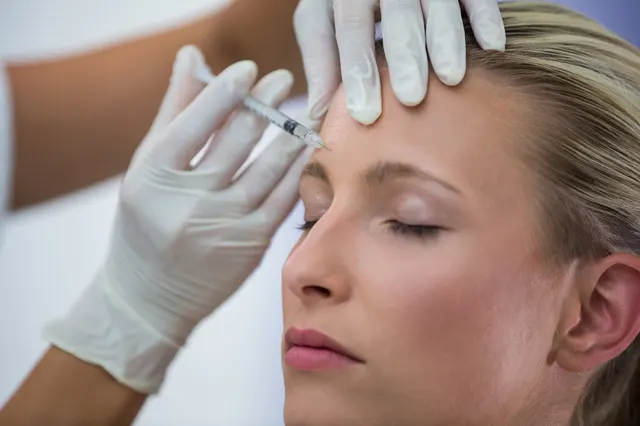
Neuromodulators reduce sweating by interrupting communication between nerves and sweat glands.
The procedure involves:
- Cleansing the treatment area
- Mapping injection sites
- Administering small, precise injections
- Monitoring response
The session typically lasts 20–30 minutes.
Results usually begin within several days and continue improving over two weeks.
How Long Do Results Last?
Results for underarm hyperhidrosis generally last between 4 and 6 months. Some patients experience longer benefit over time with repeated treatment.
Palms and soles may have slightly shorter duration due to higher gland density.
Maintenance treatments help preserve sweat control consistently.
Safety Considerations
When performed by trained medical providers, hyperhidrosis injections have a strong safety profile.
Temporary side effects may include:
- Mild swelling
- Localized tenderness
- Temporary muscle weakness (rare in palm treatment)
For general medical information about excessive sweating, the Mayo Clinic provides educational resources.
Safety begins with proper diagnosis and individualized planning.
Hyperhidrosis Treatment in Fulton and Marriottsville, MD
Pura Vida Med Spa serves patients from Fulton, Marriottsville, Columbia, Ellicott City, Clarksville, Laurel, and surrounding Howard County communities.
With two convenient locations, patients can access professional evaluation and treatment close to home.
Personalized consultation determines whether symptoms align with primary genetic hyperhidrosis or secondary causes requiring further medical investigation.
When to Seek Evaluation
You should consider evaluation if you experience:
- Excessive sweating without heat exposure
- Soaking through clothing regularly
- Sweating that interferes with work or social life
- Family history of similar symptoms
You can learn more about Hyperhidrosis Treatment or Book a Consultation to discuss your options with our experienced team.
Long-Term Outlook
Hyperhidrosis is manageable. With appropriate treatment, most patients experience significant improvement in daily comfort and confidence.
Because primary hyperhidrosis often has a genetic component, long-term maintenance may be necessary. However, modern treatment options provide reliable control with minimal downtime.
Early evaluation prevents unnecessary frustration and helps patients regain confidence more quickly.
Final Thoughts
So, is hyperhidrosis genetic? In many cases, yes. Primary hyperhidrosis frequently runs in families and is linked to inherited overactivity of sweat glands.
Understanding the underlying cause allows for appropriate treatment rather than relying solely on over-the-counter solutions.
At Pura Vida Med Spa in Maple Lawn and Marriottsville, MD, careful assessment ensures that each patient receives individualized guidance and evidence-based care.
Excessive sweating does not have to control your daily life.
Related reading: MiraDry vs Botox for hyperhidrosis | Botox aftercare myths | Dysport vs Botox
The International Hyperhidrosis Society provides authoritative guidance on this topic.