
Why Korean Skin Care Has a Reputation
Korean skin care earned its reputation through innovation and a prevention-first philosophy. Learn its principles, routine, ingredients, and pros and cons.
Korean skin care, or K-beauty, as it's often called, has earned global recognition not because of hype, but because of consistent innovation and results-driven philosophy. Over the last two decades, Korean brands have pioneered new ingredient delivery systems, popularized gentle but effective exfoliation, and redefined what a skin-care routine can look like.
The rise of Korean skin care is closely tied to South Korea's strong cultural emphasis on healthy, youthful skin. In contrast to Western skin care, which often reacts to problems (e.g., acne, wrinkles), Korean skin care is built on prevention. That distinction matters. The average consumer in Korea starts developing a skin routine in their early teens, with a long-term mindset toward preserving the skin barrier and minimizing inflammation.
Globally, this preventive and layered approach resonated, especially as U.S. consumers grew wary of harsh, stripping formulas and one-size-fits-all routines. With K-beauty, the industry began to shift toward personalization, transparency in ingredients, and a wider spectrum of skin goals beyond acne and aging.
What Makes Korean Skin Care Different
The heart of Korean skin care lies in a few key principles. Understanding these is essential to decide whether it aligns with your personal skin care values and lifestyle.
Skin First, Makeup Second
The philosophy is simple: healthy skin is the best foundation. That's why the Korean routine puts skin health at the forefront, with makeup viewed as an enhancement. This has led to product development that prioritizes moisture retention, skin barrier protection, and long-term resilience.
Gentle, Gradual, Layered Care
Instead of relying on a single multitasking product, K-beauty routines use multiple steps, each with a specific function. That might sound excessive, but the rationale is about delivering active ingredients in optimal concentrations with less irritation. For example, you may use a hydrating toner followed by a targeted serum, instead of trying to find a "miracle cream" that claims to do everything.
Texture Innovation and User Experience
South Korea leads in cosmetic R&D. That's why you'll find fast-absorbing essences, weightless sunscreens, and wash-off masks with advanced gel textures that are both sensorial and effective. But these aren't just gimmicks; they help improve compliance and make skin care something users look forward to.
The Classic Routine: 10 Steps Explained
You may have heard of the "10-step Korean skin care routine." While not mandatory, it's a useful framework to understand the K-beauty methodology. Here's what each step does and whether it might be relevant to your skin:
- Oil-Based Cleanser: Removes oil-based impurities like sunscreen and makeup. Essential for evening routines but optional in the morning.
- Water-Based Cleanser: Targets water-soluble debris like sweat and dirt. Used after the oil cleanse to complete the 'double cleanse'.
- Exfoliator (Chemical): Usually involves gentle AHAs, BHAs, or PHAs. Smooths texture, unclogs pores, and promotes cell turnover. Not for daily use—1-3 times weekly is typical.
- Toner: Balances pH and preps the skin to better absorb subsequent products. Often hydrating rather than astringent.
- Essence: A lightweight, hydration-focused liquid that primes the skin for serums and boosts overall absorption.
- Serum / Ampoule: Concentrated formulas that target specific concerns like pigmentation, fine lines, or acne.
- Sheet Mask or Wash-Off Mask (Optional): Used occasionally for deep hydration or brightening, often once or twice per week.
- Eye Cream: Targets the thinner, more delicate skin under the eyes. May include peptides, caffeine, or niacinamide.
- Moisturizer: Locks in all previous layers. Texture ranges from gels to creams to sleeping packs.
- Sunscreen (AM Only): Daily broad-spectrum protection is considered essential. Korean sunscreens are known for cosmetically elegant finishes.
Streamlined Alternative: Cleanser → Serum → Moisturizer → Sunscreen (AM only). Many users start with a minimalist version and add steps as needed.
Hero Ingredients You'll Encounter
Korean skin care is known for spotlighting innovative and often underutilized ingredients. These are some you'll see repeatedly, and for good reason:
- Hyaluronic Acid & Glycerin – Powerful humectants that pull moisture into the skin. Found in toners, essences, and serums.
- Centella Asiatica – An anti-inflammatory herb that soothes irritated skin and supports wound healing. A go-to for sensitive skin.
- Ceramides – Lipid molecules that reinforce the skin barrier. Particularly helpful for dry or compromised skin.
- Niacinamide – A multi-tasking brightener that regulates oil production and fades discoloration.
- Snail Mucin – A Korean skin-care hallmark, it provides hydration, supports skin repair, and improves elasticity.
- Fermented Ingredients – Including galactomyces and bifida ferment lysate, which help with skin tone, barrier repair, and antioxidant support.
- PHA and Lactic Acid – Gentle exfoliants suited for sensitive skin, unlike stronger AHAs that can cause irritation.
Each ingredient is chosen for its function, not its novelty. Most products include synergistic combinations to maximize benefit while minimizing risk of irritation.
Matching the Routine to Your Skin Type & Concerns
Korean skin care offers a customizable framework, not a one-size-fits-all system. Here's how to approach it based on your skin's needs:
| Skin Type | Prioritize | Avoid | Suggested Modifications |
|---|---|---|---|
| Oily / Acne-Prone | Lightweight serums, BHAs (like salicylic acid), niacinamide | Heavy creams, comedogenic oils | Use gel moisturizers and non-clogging sunscreens |
| Dry / Mature | Ceramides, squalane, sleeping masks | High-alcohol toners | Add richer creams and facial oils at night |
| Sensitive / Reactive | Panthenol, centella, minimal-ingredient formulas | Fragrance, essential oils, strong acids | Introduce products slowly and patch test consistently |
Knowing your skin type is only the start. Your current skin condition (e.g., compromised barrier, active breakouts) should influence what products you choose and in what order. For clients in Howard County considering adding Korean skin care into their regimen, we recommend a consultation at one of our Pura Vida Med Spa locations for a tailored plan.
Pros & Cons
No skin-care approach is universally perfect. Korean skin care offers many strengths, but it also carries certain caveats. Here's a breakdown to help you weigh its fit:
Pros
- Customizable Routine Structure: The multi-step approach allows you to tailor the regimen based on specific needs. You can adjust intensity, layering, and focus (hydration, pigmentation, etc.) depending on your current skin state.
- Focus on Prevention: K-beauty encourages early care to avoid long-term damage, like chronic dryness or premature aging, rather than only reacting to problems once they emerge.
- Innovation and Ingredient Transparency: Korean brands are known for pioneering texture innovations (gel creams, essence mists) and using tested active ingredients in skin-friendly concentrations. Products often come with clear INCI lists and pH values.
- Affordability Across Tiers: While luxury K-beauty brands exist, most routines can be built with cost-effective products without sacrificing quality, making it more accessible than many Western luxury brands.
- Pleasant User Experience: Lightweight layers, elegant packaging, and calming textures can make the process feel like self-care rather than a chore. This often leads to better consistency in use, which matters for long-term results.
Cons
- Time and Patience Required: The full 8-10-step routine, even when modified, still requires a bit more effort and consistency than typical Western routines. Some users drop off before benefits become apparent.
- Potential for Overuse or Irritation: Layering multiple actives or exfoliants without knowledge can lead to skin barrier damage or breakouts. The risk increases when users introduce too many products at once or fail to patch test.
- Information Overload: With so many product categories, unfamiliar ingredients, and inconsistent online advice, beginners often feel overwhelmed trying to figure out where to start.
- Import/Availability Limitations: Some cult-favorite K-beauty products may be hard to find locally and can fluctuate in price due to shipping fees and availability. Not all brands are FDA-reviewed in the U.S.
How to Get Started
If you're new to Korean skin care and want to integrate it without disrupting your current routine, these are the essential steps to follow:
Identify Your Skin Goal First
Instead of buying what's trendy, begin by clarifying your primary skin concern. For example: Hydration barrier repair; Hyperpigmentation reduction; Mild adult acne support. This helps narrow down which product types and ingredients matter most.
Introduce One Product at a Time
Avoid testing three new products in one week. Give each new addition 7 to 14 days to observe reactions and benefits. Starting slow prevents flare-ups and makes it easier to identify any irritants.
Keep a Skin Journal or Tracker
Note down the product used, date of introduction, and any skin changes. This becomes especially helpful when troubleshooting redness, dryness, or breakouts.
Always Use Sunscreen with Actives
Many K-beauty products include brighteners and exfoliants that increase sun sensitivity. Without daily SPF, you're undoing much of the work these formulas are trying to achieve.
Common Myths & Misconceptions
There's a lot of misinformation online about Korean skin care. Let's clear up a few:
Myth 1: More Steps = Better Results
Fact: The number of steps should match your skin's needs, not an arbitrary number. Many people see great results with a 3-4 step routine.
Myth 2: K-Beauty Is Only for Women or Light Skin Tones
Fact: Korean skin care is fundamentally about skin health, not gender or ethnicity. The ingredients work on all skin tones and textures when chosen correctly.
Myth 3: All Natural Products Are Gentle
Fact: Many "natural" ingredients (like citrus oils or plant extracts) can be irritating. K-beauty doesn't shy away from lab-developed ingredients that are safer for sensitive skin.
Myth 4: Double Cleansing Must Be Done Twice Daily
Fact: Double cleansing is recommended primarily for the evening, especially if you wear SPF or makeup. In the morning, a single gentle cleanse is usually enough.
When Korean Skin Care Might Not Be Right for You
While Korean skin care works for many, there are cases where a different approach may be better:
- If You Prefer a Strictly Minimal Routine: If you're unwilling to use more than one or two products, you may find the K-beauty system too involved or inefficient for your preferences.
- If You Have Severe Skin Conditions Needing Medical Treatment: For conditions like cystic acne, severe rosacea, or psoriasis, prescription-grade interventions are usually needed first. Korean products can complement but not replace medical care.
- If You Have Zero Tolerance for Fragrance or Preservatives: While there are fragrance-free K-beauty lines, many popular products include small amounts of fragrance or stabilizers. This may be problematic for ultra-sensitive or allergy-prone skin.
Beyond Home Care: The Glass Skin Facial
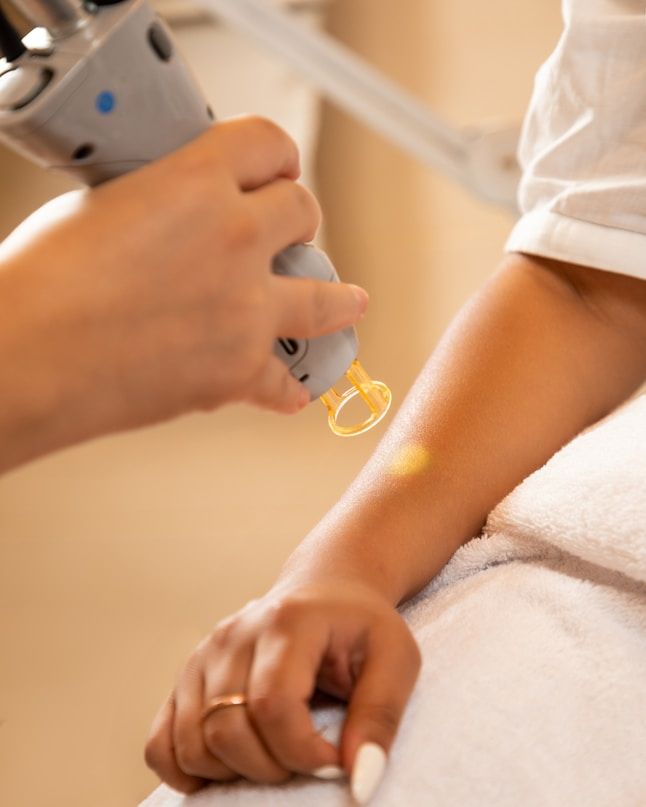
For clients who want to experience the results of Korean skin care without waiting weeks for products to take effect, the Glass Skin Facial offers a professional-grade solution that delivers immediate visible benefits. This facial is inspired by K-beauty's signature "glass skin" look (smooth, poreless, luminous skin with a dewy finish) and it reflects the same core principles: gentle exfoliation, deep hydration, and barrier support.
At Pura Vida Med Spa, we offer a medically supervised version of this multi-step, in-office procedure designed to deeply cleanse, exfoliate, hydrate, and calm the skin. While protocols vary, a typical session at our med spa includes:
- Gentle hydro-dermabrasion to remove debris and dead skin without irritation
- Low-concentration chemical exfoliation, such as lactic acid or PHA, to smooth texture
- Infusion of peptides, niacinamide, and hyaluronic acid for hydration and glow
- Cooling mask and LED therapy to calm inflammation and support collagen production
- Barrier-repair finishing serum or moisturizer
Key Takeaways & Decision Checklist
Before committing to Korean skin care, it's important to pause and assess whether it aligns with your goals, preferences, and skin needs. This final section will help you consolidate what you've learned and make a clear decision.
What to Remember
- Korean skin care emphasizes prevention, not correction. This philosophy rewards consistency and long-term commitment.
- Layering is strategic, not excessive. Each product plays a specific role in hydrating, treating, or protecting the skin.
- Not every step is essential. Start simple and expand if, and only if, it serves a clear purpose for your skin.
- Ingredient education is key. Understanding actives like niacinamide, centella, and hyaluronic acid helps you choose wisely and avoid irritation.
- Daily sunscreen is non-negotiable. No K-beauty routine will deliver results if you're skipping UV protection.
Decision Checklist: Is K-Beauty a Fit for You?
Ask yourself the following:
- Do I have a specific skin concern I want to address (e.g., dryness, uneven tone, sensitivity)? Without a goal, product selection becomes random and harder to track for effectiveness.
- Am I willing to use at least 3-4 products consistently for several weeks? You don't need 10 steps, but you do need consistency. Most visible improvements take 4-8 weeks.
- Do I value a preventive, skin-first approach to skin care? If your focus is skin health and not just quick fixes, K-beauty has a lot to offer.
If you answered yes to at least two of these questions, a Korean skin care routine could be worth exploring.
Related reading: Glass skin facial | Monthly facials | How often should you get a HydraFacial?
At Pura Vida, we offer custom facials and HydraFacial treatments to complement your K-beauty routine.
The American Academy of Dermatology supports a layered, consistent skin care approach for optimal results.
Next Steps
If you're unsure where to begin, or if you're dealing with chronic concerns like hyperpigmentation, barrier damage, or breakouts, we encourage you to schedule a skin consultation at one of our locations in Fulton or Marriottsville, MD.
At Pura Vida Med Spa, we specialize in medically-informed skin solutions that integrate the best of global skin care science, including Korean methodologies, tailored to your needs. We help clients in Howard County build routines that make sense, whether that means adding one Korean serum or transitioning into a full multi-step routine over time.
Our goal is not to push product, it's to protect and support your skin with a plan that's clinically sound, personalized, and sustainable.