

MiraDry vs Botox for Hyperhidrosis: Which Treatment Is Right for You?
MiraDry and Botox both treat excessive sweating but work very differently. Compare mechanisms, cost, candidacy, and long-term results.
Reviewed by Dr. Leslie Apgar, MD | Pura Vida Med Spa, Fulton and Marriottsville, MD
If you live with hyperhidrosis, the condition characterized by excessive sweating beyond what the body needs for temperature regulation, you have probably researched every option available. Two treatments consistently rise to the top of that research: MiraDry and Botox for sweating. Both are effective. Both are offered at Pura Vida Med Spa in Fulton and Marriottsville, MD. But they work in fundamentally different ways, serve different patient needs, and deliver very different long-term outcomes.
Choosing between them is not a matter of which is better in absolute terms. It is a matter of which is better for your specific situation, your sweating severity, your lifestyle, and how you feel about the idea of a permanent solution versus a repeating one. This guide gives you the complete comparison.
How Each Treatment Works
MiraDry: Permanent Elimination of Sweat Glands
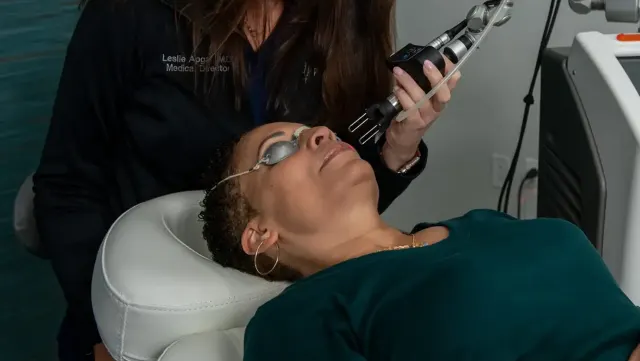
MiraDry uses precisely controlled microwave energy delivered through a handheld device to the underarm skin. The energy targets the layer 2 to 5mm below the skin surface, where the eccrine (sweat) and apocrine (odor) glands are located. The thermal energy destroys these glands permanently. Because sweat glands do not regenerate, the results are lasting.
Critically, MiraDry treats three problems simultaneously: sweat, odor, and underarm hair. This triple benefit is unique to MiraDry and not achievable with Botox. The procedure takes one to two hours and is performed with local anesthetic for comfort.
Botox: Temporary Nerve Signal Interruption
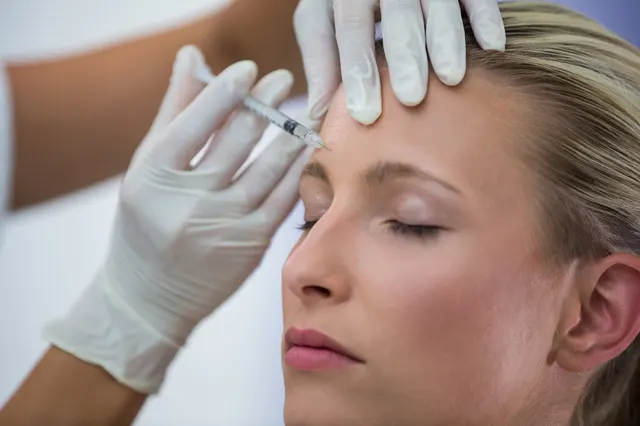
Botox for hyperhidrosis works by blocking the nerve signals that activate sweat glands. When injected into the underarm skin, botulinum toxin prevents acetylcholine from triggering sweat gland activity, dramatically reducing sweat production in the treated area. The effect is powerful but temporary: sweat glands are not destroyed, they are only paused. As the Botox metabolizes over three to six months, nerve signals gradually return and sweating resumes.
Botox does not address odor or underarm hair, as it only affects the eccrine glands responsible for sweat and has no impact on apocrine or hair follicles.
Side-by-Side Comparison
| Factor | MiraDry | Botox for Hyperhidrosis |
|---|---|---|
| Mechanism | Microwave energy destroys sweat glands permanently | Blocks nerve signals to sweat glands temporarily |
| Duration of Results | Permanent (glands do not regenerate) | 3 to 6 months, requires repeat treatment |
| Treats Odor | Yes (apocrine glands also eliminated) | No |
| Treats Underarm Hair | Yes (up to 70% reduction) | No |
| Session Length | 1 to 2 hours | 15 to 30 minutes |
| Downtime | Minimal (may resume work same day) | None |
| Sessions Needed | 1 to 2 lifetime sessions | 2 or more per year, indefinitely |
| Average Sweat Reduction | Up to 82% reduction | Approximately 85% reduction (temporary) |
| Treats Hands/Feet | No (underarms only, FDA-cleared) | Yes (off-label for hands and feet) |
| Available at Pura Vida | Yes | Yes |
The Real Cost Comparison
One of the most important and least discussed factors in this decision is the long-term financial picture. MiraDry may appear more expensive upfront, but the math changes significantly when you account for the lifetime cost of repeated Botox treatments.
Consider a patient who starts Botox for hyperhidrosis at age 35 and continues through age 60:
- Botox for hyperhidrosis: approximately 2 sessions per year at $800 to $1,200 per session
- Annual cost: $1,600 to $2,400
- 25-year cumulative cost: $40,000 to $60,000
- MiraDry: one to two lifetime treatments at approximately $3,000 to $4,000 total
- Additional treatments: rarely needed for most patients
For most patients who plan to manage hyperhidrosis long-term, MiraDry represents a significantly lower lifetime cost than repeated Botox sessions, in addition to providing permanent results.
Who Is the Better Candidate for MiraDry?
MiraDry is the stronger option if you:
- Want a permanent solution and are done with managing hyperhidrosis repeatedly
- Are also bothered by underarm odor and want to address both sweat and odor together
- Are ready to invest once rather than budget for ongoing treatment costs
- Have tried clinical antiperspirants or other treatments without adequate results
- Are an adult patient with primary axillary (underarm) hyperhidrosis
- Want the added benefit of significant underarm hair reduction
Who Is the Better Candidate for Botox?
Botox is the stronger option if you:
- Want to test a hyperhidrosis treatment before committing to something permanent
- Experience sweating on the hands or feet, where MiraDry is not currently FDA-cleared
- Have a specific event coming up and need rapid, predictable improvement quickly
- Prefer a shorter in-office session with zero downtime
- Are already receiving Botox for cosmetic reasons and want to add hyperhidrosis treatment to your existing appointment
It is also worth noting that Botox and MiraDry are not mutually exclusive treatment paths. Some patients start with Botox to experience relief while deciding whether to pursue MiraDry long-term. Others use Botox to manage sweating on the hands or feet while using MiraDry for underarm hyperhidrosis.
What Pura Vida Recommends
At Pura Vida Med Spa in Howard County, MD, Dr. Leslie Apgar and her team evaluate every hyperhidrosis patient individually before recommending a treatment path. The decision between MiraDry and Botox is rarely one-size-fits-all: it depends on the severity of sweating, whether odor is a factor, which body areas are affected, and the patient's long-term preferences.
For patients with primary axillary hyperhidrosis who want a lasting solution, MiraDry is typically the recommendation. For patients who need flexibility, are treating areas other than the underarms, or want to start with something reversible, Botox is a clinically excellent option.
Both treatments are offered at our Fulton and Marriottsville locations, and both are performed under the supervision of Dr. Apgar's experienced clinical team. The best way to determine which is right for you is a personalized consultation.
Ready to Stop Managing and Start Living?
Schedule a hyperhidrosis consultation at Pura Vida Med Spa in Fulton or Marriottsville, MD. Dr. Apgar's team will evaluate your individual case and help you choose between MiraDry and Botox based on your specific needs, goals, and lifestyle.
Book Your Hyperhidrosis Consultation at Pura Vida Med Spa.
Frequently Asked Questions: MiraDry vs Botox
Does MiraDry hurt more than Botox?
Both procedures involve discomfort management. Botox for hyperhidrosis involves multiple small injections into the underarm skin, which is mildly uncomfortable. MiraDry involves local anesthetic injected prior to treatment, after which most patients feel warmth and pressure but minimal pain during the procedure. Post-treatment, MiraDry patients typically experience swelling and tenderness for several days, while Botox has essentially no recovery period.
How long do MiraDry results last?
MiraDry results are considered permanent for the majority of patients. Because the treated sweat glands are destroyed and do not regenerate, most patients experience sustained reduction without needing repeat treatment. A small percentage of patients seek a second session to address remaining glands or areas not fully covered in the first treatment.
Is Botox FDA-approved for hyperhidrosis?
Yes. Botox is FDA-approved for the treatment of primary axillary hyperhidrosis (excessive underarm sweating) in adults. It is also used off-label for palmar (hand) and plantar (foot) hyperhidrosis, which MiraDry does not currently treat. MiraDry is FDA-cleared specifically for the underarm area.
Can I have both MiraDry and Botox?
Yes, though for most patients this is unnecessary. Botox and MiraDry can complement each other in cases where a patient wants to treat multiple areas simultaneously. For example, a patient might use MiraDry for underarm hyperhidrosis and Botox for hand sweating. Your provider at Pura Vida can advise on the best combined approach if relevant to your situation.
Does Pura Vida offer both MiraDry and Botox for sweating in Howard County?
Yes. Pura Vida Med Spa offers both MiraDry and Botox for hyperhidrosis at our Fulton and Marriottsville, MD locations. Both treatments are available under the care of Dr. Leslie Apgar and her clinical team. We recommend a consultation to determine which approach is best suited to your individual needs.
Medical Disclaimer: This article is for informational purposes only and does not constitute medical advice. Both MiraDry and Botox are medical treatments requiring professional evaluation and administration. Individual results vary. Please consult with a qualified provider before beginning any treatment.
Related reading: Is hyperhidrosis genetic? | Botox aftercare myths | Dysport vs Botox
The International Hyperhidrosis Society provides authoritative guidance on this topic.