
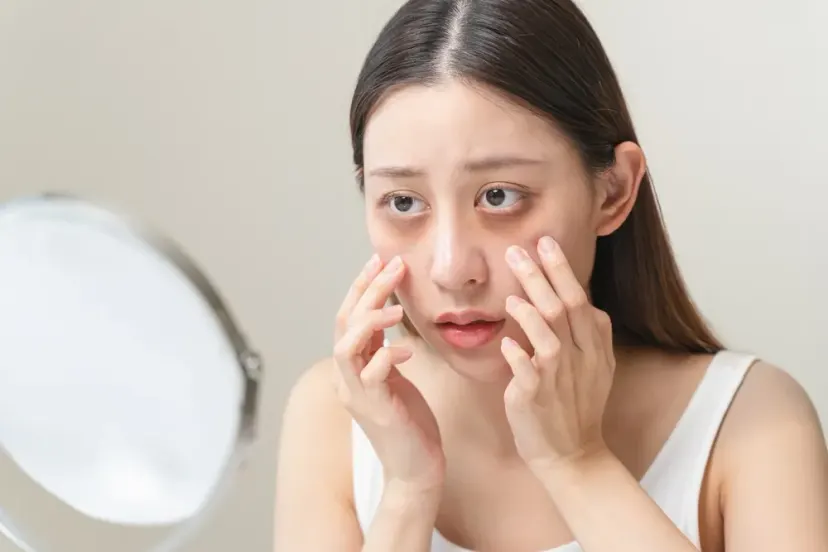
Understanding "Ozempic Face": The Intersection of Weight Loss and Facial Aging
"Ozempic face" describes the facial volume loss that can accompany rapid weight loss, plus the treatment and prevention options available.
The term "Ozempic face" has become a prevalent topic in discussions surrounding weight loss, particularly with the rise in popularity of GLP-1 receptor agonist medications like Ozempic, Wegovy, and Mounjaro. This phenomenon describes the distinctive facial changes that can occur during rapid and significant weight loss, regardless of the method used, including diet, exercise, or weight loss medications. While the name references a specific medication, "Ozempic face" is not unique to Ozempic itself but a common consequence of substantial weight reduction. It's crucial to understand the underlying medical science, available treatment options, and long-term management strategies for these facial changes.
What is "Ozempic Face"?
"Ozempic face" refers to the changes in facial appearance, often described as a gaunt appearance, that can arise from rapid weight loss. These changes are primarily due to the loss of facial fat, which contributes significantly to facial volume and structure. While the term is associated with Ozempic, a brand name for semaglutide, these facial changes are a potential side effect of any significant weight loss, including that achieved through other GLP-1 drugs like Wegovy (also semaglutide) and Mounjaro (tirzepatide), other weight loss medications, bariatric surgery, or lifestyle changes. The rapid reduction in facial fat can lead to a noticeable change in the face look, often making individuals appear older than they are.
The Medical Science Behind Weight Loss Medications
GLP-1 (glucagon-like peptide-1) receptor agonists like semaglutide and tirzepatide represent a significant advancement in the treatment of type 2 diabetes and obesity. These weight loss medications mimic natural hormones that regulate blood sugar levels and appetite. Originally FDA-approved for treating type 2 diabetes, these drugs are also prescribed off-label for weight management in appropriate candidates. Wegovy and Zepbound are FDA-approved specifically for weight loss. These medications work by targeting the pancreas and brain, impacting:
- Blood sugar levels: They enhance insulin production, improving blood sugar control, which is crucial for individuals with type 2 diabetes.
- Appetite suppression: They activate brain receptors that reduce appetite, aiding in weight management.
- Gastric emptying: They delay gastric emptying, increasing satiety and reducing food intake.
- Metabolic rate: They can influence metabolic rate, potentially contributing to weight loss.
It's important to note that these medications, while effective, can also have common side effects, including nausea, vomiting, diarrhea, constipation, and abdominal pain. Understanding the side effects of Ozempic, Wegovy, Mounjaro, and other weight loss drugs is essential for patients and their healthcare providers to weigh the benefits against the risks.
Understanding Facial Volume Loss and the Face Look
The face is composed of multiple fat compartments that contribute to a youthful and healthy facial appearance. When significant weight loss occurs, especially rapid weight loss, these facial fat pads diminish, leading to a loss of facial volume. This loss of fat can significantly alter the face look. The speed of weight loss, often accelerated by weight loss medications, plays a crucial role. Rapid weight loss can outpace the skin's ability to adapt, leading to loose skin and a gaunt appearance. This rapid reduction in facial volume affects skin elasticity, collagen production, and the distribution of remaining facial fat. This loss of fat can lead to the signs of aging becoming more prominent, including fine lines, wrinkles, and jowls.
Clinical Manifestations and Visual Facial Changes
The visual facial changes associated with facial volume loss during rapid weight loss include:
- Deepening of nasolabial folds (the lines from the nose to the corners of the mouth)
- Temple hollowing
- Increased visibility of jowls (loose skin and fat below the jawline)
- Enhanced visibility of facial bone structure, including the jawline
- Formation of tear trough depressions (hollows under the eyes)
- Increased skin laxity (loose skin)
- Fine lines and wrinkles becoming more noticeable
These changes can contribute to a gaunt appearance and make the face look older. The loss of facial fat can also create a shadow effect, further emphasizing these changes.
Treatment Options and Solutions for Facial Volume Loss
Several treatment options are available to address facial volume loss, ranging from non-surgical interventions to plastic surgery:
Non-Surgical Interventions
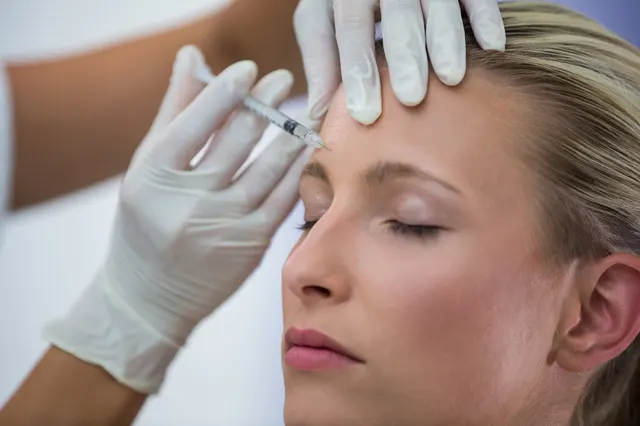
Dermal fillers:
- Hyaluronic acid (HA) fillers: Commonly used for areas like temples, tear troughs, and nasolabial folds, HA fillers provide a natural look and can be dissolved if needed. (e.g., Juvederm, Restylane)
- Calcium hydroxylapatite (CaHA) fillers: (e.g., Radiesse) Stimulate collagen and treat deeper wrinkles.
- Poly-L-lactic acid (PLLA) fillers: (e.g., Sculptra) Stimulates collagen over time, ideal for cheek and temple volume restoration, offering gradual, natural-looking results and addressing underlying structural support.
Fat transfer: Uses your own fat for a natural, long-lasting result.
Skin Laxity and Muscle Tone Loss
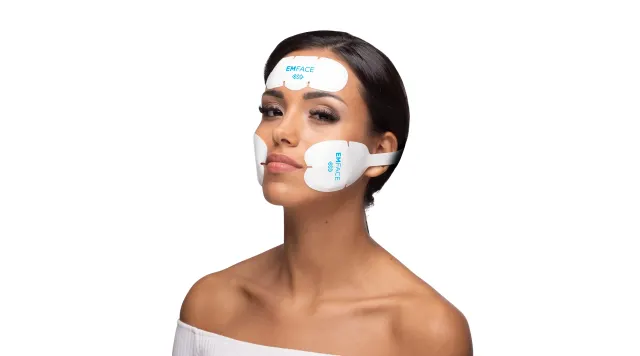
Emface is a non-invasive treatment that combines radiofrequency energy and HIFES (High-Intensity Facial Electrical Stimulation) to lift, tighten, and restore facial muscle structure without the need for needles or surgery. It helps improve facial contour by strengthening the muscles beneath the skin, providing a more youthful and rejuvenated appearance.
Microneedling
This treatment stimulates collagen and elastin production, improving skin elasticity and reducing fine lines. Microneedling can improve skin texture and tone.
Radiofrequency
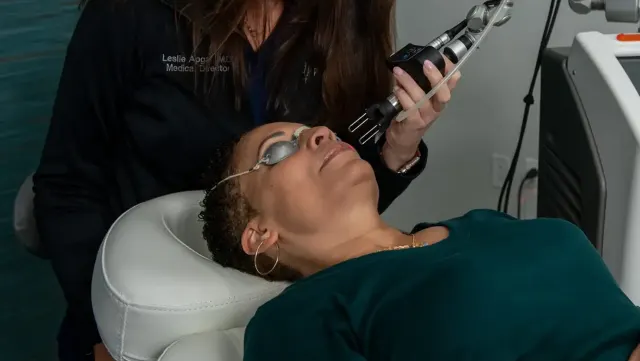
This technology tightens skin by delivering energy to deeper layers, improving skin laxity. Radiofrequency treatments can help to tighten loose skin and improve the jawline definition.
Skincare
A consistent skincare routine, including hydration and sun protection, is crucial for maintaining skin health and elasticity. Using products with ingredients like retinoids and antioxidants can further support skin health.
Surgical Considerations
- Facelift: A facelift can address loose skin and reposition tissues, improving the jawline and neck.
- Neck lift: A neck lift focuses on tightening loose skin in the neck area. This procedure is often combined with a facelift for a comprehensive rejuvenation.
- Other procedures: Depending on individual needs, procedures like blepharoplasty (eyelid surgery) or brow lifts may also be considered.
It's important to consult with a dermatologist or plastic surgeon to determine the most appropriate treatment options based on individual needs and goals.
Prevention and Management Strategies
Proactive skincare
Maintaining skin health through proper hydration, moisturization, and sun protection is crucial, especially during significant weight loss. This includes using a broad-spectrum sunscreen daily and incorporating hydrating serums and moisturizers into your routine.
Medical management
Working with a healthcare provider ensures appropriate monitoring of weight loss and facial changes. This allows for early intervention and adjustments to the weight loss plan if necessary.
Gradual weight loss
When possible, a gradual and controlled approach to weight loss may minimize the severity of facial volume loss. This allows the skin more time to adapt to the changes in body weight.
Long-term Considerations and Maintenance
Maintaining the results of facial rejuvenation treatments often requires ongoing care and maintenance. This may include regular skincare, sun protection, and periodic touch-up treatments with dermal fillers or other procedures. A long-term maintenance plan is essential for preserving the results and ensuring continued satisfaction.
The Future of Facial Rejuvenation in Weight Loss
Research continues to advance our understanding of facial aging and volume loss during weight loss. This ongoing research focuses on developing new treatment protocols and improving existing technologies. This includes exploring new fillers, energy-based treatments, and surgical techniques.
Conclusion
"Ozempic face" is a consequence of significant weight loss, not solely a side effect of Ozempic. Understanding the underlying causes, available treatment options, and long-term management strategies is essential for individuals undergoing weight loss. By working closely with healthcare providers, dermatologists, and plastic surgeons, individuals can address facial volume loss and maintain a healthy and youthful appearance while achieving their weight management goals.
It's vital to remember that a healthy approach to weight loss, combined with appropriate facial rejuvenation treatments, can improve overall well-being and quality of life. It's also important to have realistic expectations, as facial changes are a natural part of the weight loss process. Open communication with healthcare professionals will lead to the best outcomes.
Related reading: Tirzepatide vs semaglutide | Menopause belly | How long does Sculptra last?
The American Academy of Dermatology provides authoritative guidance on this topic.