
What Are Exosomes and Why Are They Replacing PRP in Med Spas?
Exosomes are the newest wave of regenerative aesthetics, and many experts believe they outperform PRP for skin rejuvenation and hair restoration. Learn how they work, how they compare to PRP, and what to expect at your appointment.
Introduction: The New Frontier in Regenerative Aesthetics
Walk into almost any forward-thinking medical spa in 2026, and you will hear one word more than any other: [exosome](/skin-treatments/exosome-therapy)s. They have become the most talked-about treatment in aesthetic medicine, headlining conference panels, dominating provider social feeds, and replacing [PRP](/skin-treatments/prp-facial) on more and more service menus. For patients, the conversation can feel confusing. What exactly are exosomes, why are providers so excited about them, and are they really better than the platelet-rich plasma (PRP) treatments that have been the gold standard for over a decade?
This guide is designed to answer those questions in plain language. Whether you are considering exosome therapy in Fulton and Marriottsville, MD for skin rejuvenation, hair restoration, or post-procedure recovery, you will leave with a clear understanding of how the science works, how exosomes compare to PRP, and how to know if you are a good candidate.
What Are Exosomes?
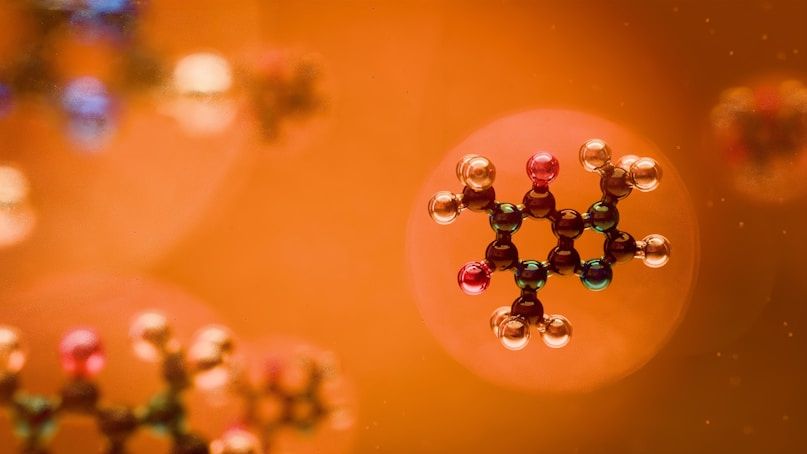
Exosomes are tiny extracellular vesicles, roughly 30 to 150 nanometers in diameter, that are naturally released by nearly every cell in the human body. Think of them as the postal service of your cells: small, sealed packages that carry growth factors, messenger RNA, lipids, and signaling proteins from one cell to another. When a cell needs to communicate, repair tissue, or trigger regeneration, it sends out exosomes.
The exosomes used in aesthetic medicine are typically isolated and purified from mesenchymal stem cells, often sourced from ethically donated, screened human umbilical cord tissue or other lab-cultured stem cell lines. The cells themselves are not transferred to the patient. Instead, the vesicles, those small communication packets, are collected, filtered, sterilized, and concentrated into a clinical-grade product.
Why Aesthetic Medicine Is Paying Attention
What makes exosomes so compelling is the payload they carry. A single dose of clinical-grade exosomes contains hundreds of growth factors and signaling molecules, including:
- Vascular Endothelial Growth Factor (VEGF), which encourages new blood vessel formation
- Transforming Growth Factor beta (TGF-beta), which supports collagen synthesis
- Fibroblast Growth Factor (FGF), which stimulates skin cell renewal
- Insulin-like Growth Factor (IGF-1), important for hair follicle health
- Messenger RNA sequences that instruct cells how to repair and regenerate
When applied to the skin or scalp, these signals essentially tell your own cells to behave like younger, healthier versions of themselves: produce more collagen, build new capillaries, calm inflammation, and accelerate repair.
How Are Exosomes Used in Aesthetics?
Exosome therapy is almost always paired with another treatment that creates microscopic channels in the skin or scalp. This pairing is critical, because exosomes cannot effectively penetrate intact skin on their own. The most common applications include:
Topical Application After Microneedling or Laser
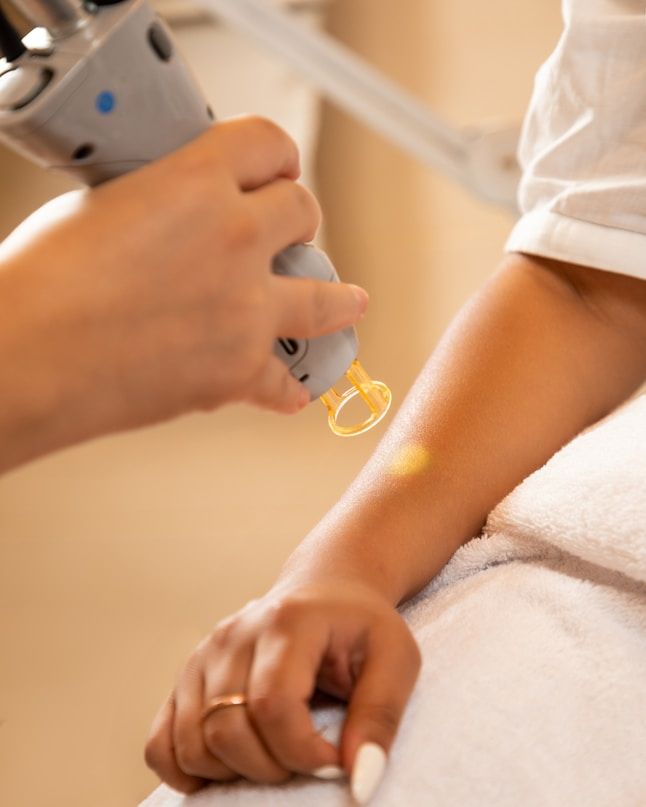
For facial rejuvenation, providers typically perform a microneedling session or a fractional laser treatment first, creating thousands of tiny micro-channels. Exosomes are then applied topically to the freshly treated area, where they absorb directly into the dermis. This combination is used to address fine lines, dull or uneven texture, sun damage, mild scarring, and overall tone.
Scalp Injections for Hair Restoration
For thinning hair, exosomes can be injected directly into the scalp at the level of the hair follicles. The growth factors and signaling molecules encourage follicles in the resting phase to re-enter the growth phase, improving density and slowing miniaturization. Patients exploring hair restoration treatments at Pura Vida often start with a series of exosome scalp sessions, sometimes combined with microneedling or low-level laser therapy.
Post-Procedure Healing
Many providers now apply exosomes immediately after more aggressive treatments such as RF microneedling, fractional CO2 laser, or deeper chemical peels. The goal is to dramatically shorten the inflammatory healing phase, reduce redness and downtime, and improve the final aesthetic result.
Exosomes vs PRP: A Direct Comparison
For more than a decade, PRP (platelet-rich plasma) has been the dominant regenerative tool in aesthetics. To understand why so many providers are transitioning to exosomes, it helps to look at the two side by side.
The Source Material
PRP starts with the patient's own blood. A vial is drawn, spun in a centrifuge, and the platelet-rich fraction is separated and reapplied. The growth factors come from the patient's own platelets. Exosomes, by contrast, are not patient-derived. They are isolated from mesenchymal stem cells in a controlled lab environment, then purified into a standardized product. If you are curious about the traditional approach, you can read about the PRP facial at Pura Vida for a closer look at how that treatment works.
Consistency and Concentration
Because PRP comes from your own blood, the quality of every treatment depends on you. Hydration, age, medications, hormone status, and even how recently you exercised can change the platelet count and growth factor concentration in a single PRP draw. Two PRP sessions on the same patient, even a week apart, can deliver different results.
Exosomes are different. Every clinical vial is manufactured to a standardized concentration, with quantified growth factor content. The patient receiving exosomes today gets the same potency as the patient receiving them next month. For providers chasing predictable, repeatable outcomes, this is a significant advantage.
Recovery, Sessions, and Duration
Both treatments have minimal downtime, typically 24 to 48 hours of mild redness when paired with microneedling. PRP usually requires a series of three to four monthly sessions to see meaningful results, with maintenance every six to twelve months. Exosomes often show faster, more pronounced improvement, sometimes in as few as one to three sessions, with results that many patients find last longer between maintenance visits.
Why Providers Are Transitioning
Three factors drive the shift. First, the higher and more reliable growth factor concentration in exosomes typically delivers stronger clinical results. Second, the elimination of a blood draw makes the treatment more comfortable and accessible, particularly for needle-sensitive patients. Third, the standardized product reduces variability, making outcomes more predictable for both patients and providers.
That said, PRP remains a valuable, well-studied option, especially for patients who prefer a fully autologous (own-body) approach.
What to Expect at an Exosome Therapy Appointment
A typical exosome session at Pura Vida lasts 60 to 90 minutes from check-in to checkout. Here is what to expect:
- Consultation: Your provider reviews your skin or hair concerns, medical history, and treatment goals.
- Preparation: The treatment area is cleansed thoroughly, and a topical numbing cream is applied for 20 to 30 minutes.
- Microneedling or laser: For facial treatments, your provider performs microneedling or a paired laser pass to create absorption pathways.
- Exosome application: The clinical-grade exosome serum is applied directly to the treated skin, or injected into the scalp for hair treatments.
- Soothing finish: A calming mask or cooling treatment closes the session, and you receive post-care instructions for the next 48 hours.
Most patients return to normal activity within 24 hours, with mild pinkness resolving by day two. Visible improvement typically begins around weeks two to four and continues to build for three months as new collagen and signaling cascades take hold.
Who Is a Good Candidate?
Exosome therapy is appropriate for a wide range of patients, including those who are:
- Looking to improve skin tone, texture, fine lines, and overall radiance
- Experiencing early to moderate hair thinning and want a non-surgical option
- Recovering from an aggressive aesthetic procedure and want to accelerate healing
- Frustrated with inconsistent PRP results and seeking a more standardized treatment
- Not pregnant or breastfeeding, and not actively battling cancer or autoimmune flare
During your consultation, your provider will review your full medical history and confirm that exosome therapy fits your individual goals.
A Note on Regulation and Honest Expectations
It is important to be transparent. Exosomes are not FDA-approved as a stand-alone injectable drug, and they are not currently classified as a biologic in the same regulatory category as PRP. Their use in aesthetic settings is considered a provider-administered treatment, and reputable medical spas use only clinically sourced, third-party tested products from established manufacturers. Always ask your provider about the source, sterility certification, and storage of the exosome product they use. Pura Vida partners only with vetted, transparent suppliers.
FAQ
What are exosomes?
Exosomes are tiny vesicles, smaller than a single cell, released by mesenchymal stem cells. They carry growth factors, messenger RNA, and signaling proteins that tell your own cells how to repair, regenerate, and produce more collagen. In aesthetics, they are used to rejuvenate skin and stimulate hair growth.
Are exosomes better than PRP?
For many patients, yes. Exosomes contain a higher and more consistent concentration of growth factors than PRP, and because they are produced in a lab from stem cells rather than drawn from your own blood, the product is standardized from session to session. PRP is still a great option, but most providers find exosomes deliver stronger and more predictable results.
How long do exosome therapy results last?
Results typically build over three months and last 12 to 18 months for skin treatments, depending on age, lifestyle, and skin condition. Most patients schedule a maintenance session annually. Hair restoration results require ongoing maintenance every 6 to 12 months to sustain growth.
Do exosomes work for [hair loss](/concerns/hair-loss-treatment)?
Yes. Exosomes for hair loss are one of the fastest growing applications. Injected into the scalp, they signal dormant follicles to re-enter the growth phase and improve overall density and shaft thickness. They are especially effective for early to moderate androgenic alopecia and post-pregnancy or stress-related shedding. Most patients see early improvement after two to three sessions.
How many exosome therapy sessions do I need?
For facial rejuvenation, most patients see meaningful results after one to three sessions spaced four to six weeks apart. For hair restoration, the typical protocol is three to four sessions over three to four months, with annual touch-ups. Your provider will customize the plan based on your goals.
Is exosome therapy safe?
Exosome therapy has an excellent safety profile when administered by a qualified provider using sterile, lab-tested products. Because the vesicles are purified and do not contain living cells or DNA, the risk of immune reaction is extremely low. Mild redness, swelling, or pinpoint bleeding at injection sites are the most common side effects, all of which resolve within 48 hours.
How are exosomes applied, injection or topical?
Both. For facial rejuvenation, exosomes are typically applied topically after microneedling or laser treatment so they can absorb through the freshly created micro-channels. For hair restoration, they are injected directly into the scalp at the level of the hair follicles. Your provider will recommend the right delivery method for your concern.
What is the difference between exosome therapy and stem cell therapy?
Stem cell therapy involves transferring living stem cells into the body, which is heavily regulated and not approved for cosmetic use in the United States. Exosome therapy, by contrast, does not transfer any cells. It uses only the purified signaling vesicles those cells produce. You get the regenerative signals without introducing foreign cells, which makes the treatment safer, more practical, and legally appropriate for aesthetic use.
Book Exosome Therapy in Fulton or Marriottsville, MD
If you are ready to see what the next generation of regenerative aesthetics can do for your skin or hair, the Pura Vida Med Spa team is here to help. Our providers will walk you through your options, answer every question, and design a treatment plan that fits your goals and lifestyle.
Schedule your consultation for exosome therapy in Fulton and Marriottsville, MD today and discover why so many patients are making the switch from PRP to exosomes.
Related reading: Keravive scalp treatment | Derma PRP vs fillers under eyes | RF microneedling vs traditional
Research from the National Institutes of Health provides authoritative guidance on this topic.