

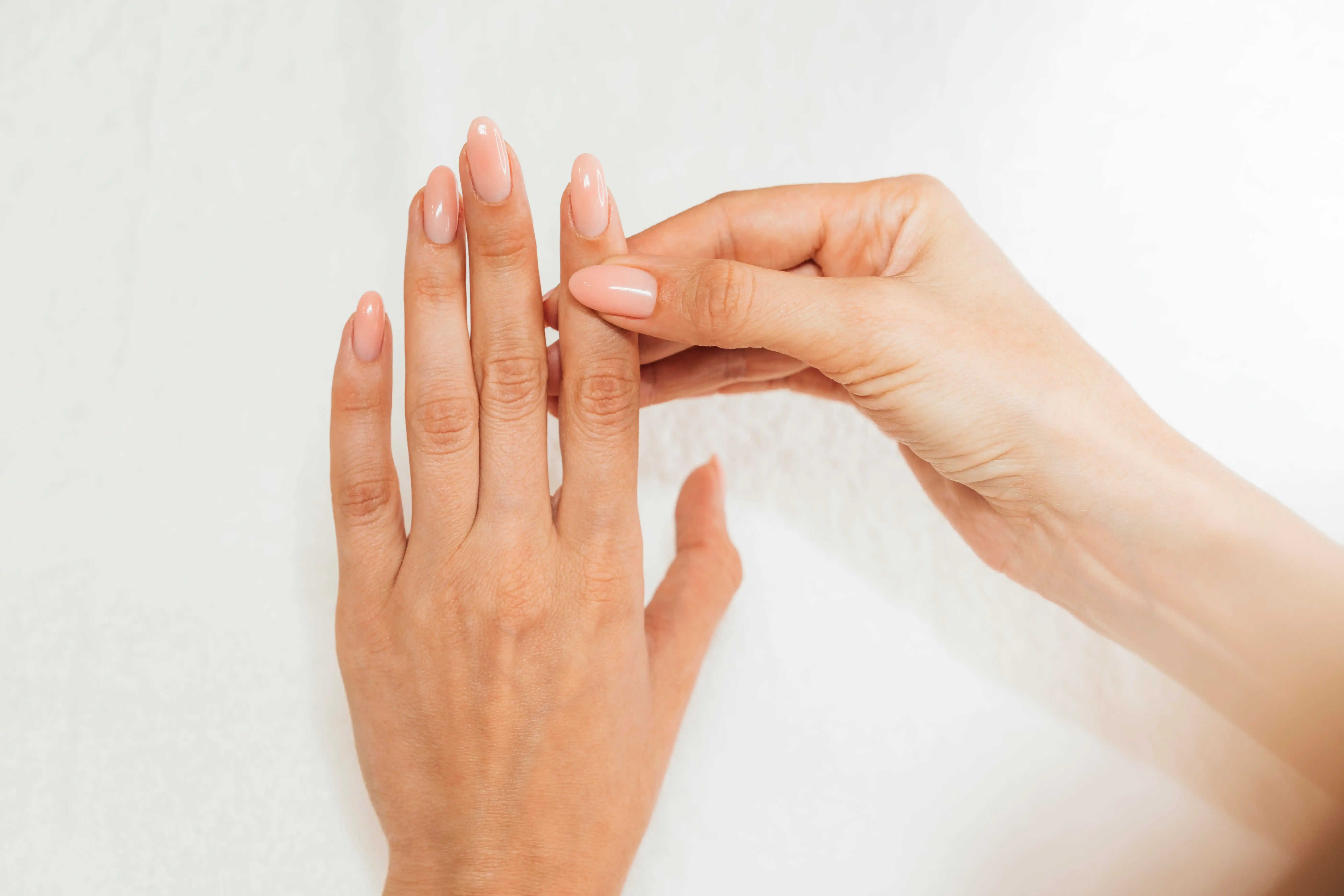
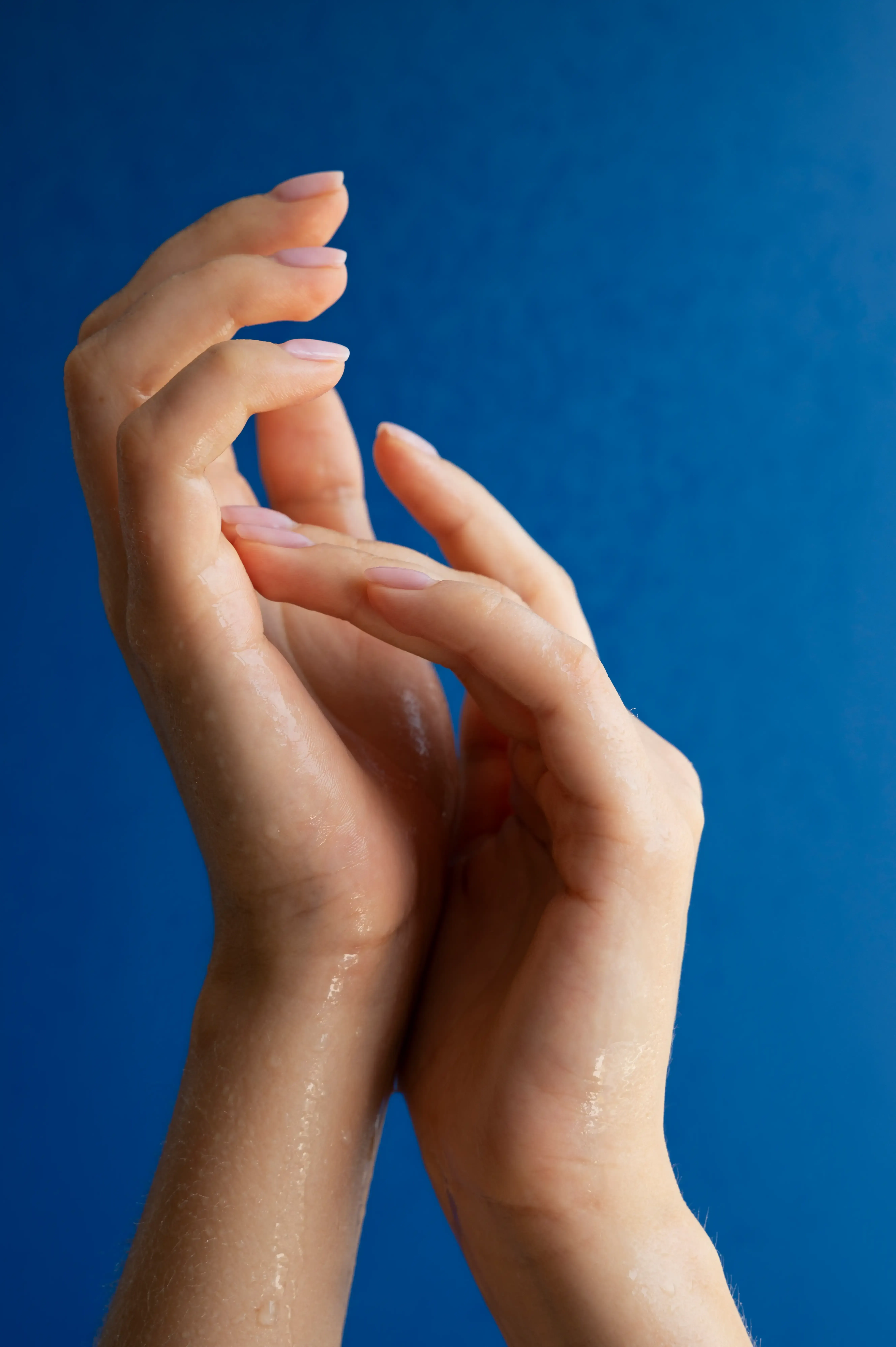

The skin on the back of the hands is thinner than facial skin and has fewer sebaceous glands. It is also one of the most chronically sun-exposed areas of the body, particularly while driving, gardening, or walking outdoors. Cumulative UV damage breaks down collagen and elastin, encourages excess melanin production, and accelerates the visible signs of aging.
At the same time, the dorsal fat pad that cushions the back of the hand gradually atrophies with age. As that volume thins, the underlying tendons, knuckles, and veins become more prominent. According to the American Academy of Dermatology, the combination of photoaging, dermal thinning, and subcutaneous fat loss is what creates the classic aged-hand appearance.