
Lipedema vs Cellulite: How to Tell the Difference and When to Seek Treatment
Cellulite is a common cosmetic concern; lipedema is a chronic medical disorder. Learn how to tell them apart and when to seek treatment.
Uneven skin texture and stubborn lower body fat are common concerns. However, many patients are unsure whether they are experiencing simple cellulite or a more complex condition known as lipedema. Although these terms are often used interchangeably online, medically they represent two very different issues.
Understanding the difference is essential before pursuing treatment. Cellulite is a cosmetic condition that affects most women at some point. Lipedema is a chronic medical disorder involving abnormal fat distribution that requires careful evaluation.
At Pura Vida Med Spa, with locations in Maple Lawn (Fulton, MD) and Marriottsville, we frequently meet patients who want clarity before committing to body contouring procedures. Proper assessment ensures that treatment plans are safe, realistic, and effective.
What Is Cellulite?
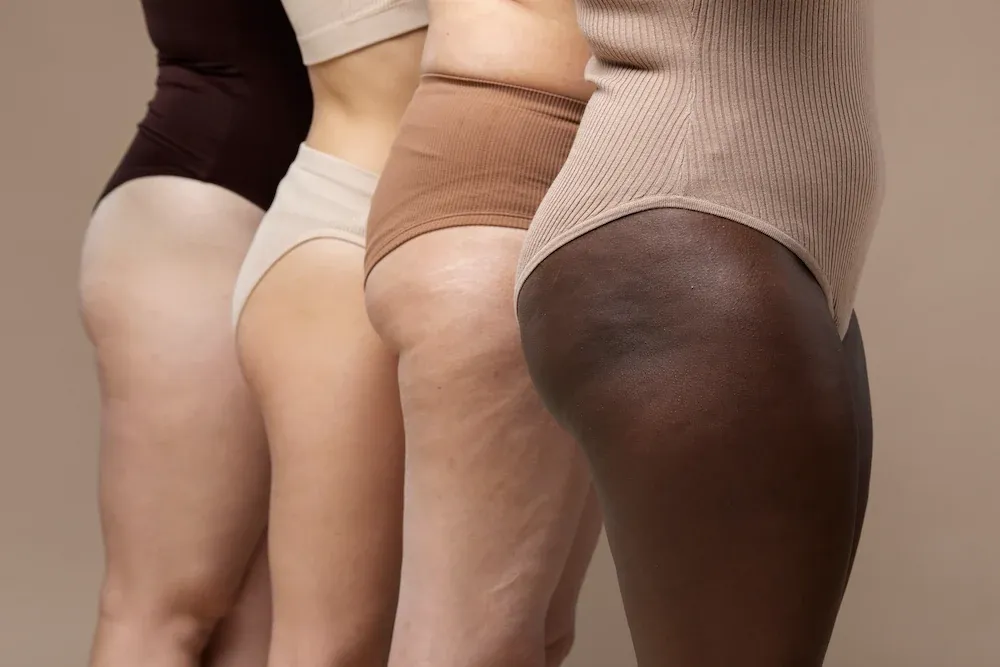
Cellulite is caused by the interaction between fat cells and fibrous connective tissue beneath the skin. The fibrous bands pull the skin downward while fat pushes upward, creating a dimpled or uneven appearance.
It most commonly appears on:
- Thighs
- Hips
- Buttocks
- Lower abdomen
Cellulite:
- Is extremely common
- Is not painful
- Does not cause swelling
- Is not a medical disease
Hormones, genetics, collagen structure, and circulation all influence its visibility. As collagen declines with age, cellulite may become more noticeable.
Many patients exploring Body Contouring Treatments are primarily addressing cellulite rather than a structural fat disorder.
What Is Lipedema?
Lipedema is a chronic disorder involving abnormal fat accumulation, most often in the legs and sometimes the arms. It almost exclusively affects women and frequently begins during hormonal transitions such as puberty, pregnancy, or menopause.
Unlike cellulite, lipedema fat:
- Is symmetrical
- Is often painful or tender
- Bruises easily
- Feels heavy
- Does not respond predictably to diet and exercise
- Tends to progress over time
Patients commonly report that their upper body changes with weight fluctuations, while the lower body remains disproportionately enlarged.
According to the Cleveland Clinic, lipedema is a distinct medical condition that requires clinical evaluation and long-term management.
This distinction is critical because lipedema cannot be treated in the same way as cosmetic cellulite.
Why Lipedema Is Often Mistaken for Cellulite
In early stages, lipedema may resemble advanced cellulite. Both can create uneven contour and textural irregularities. However, cellulite does not cause tenderness, heaviness, or progressive enlargement.
Because lipedema develops gradually, many individuals assume they are dealing with stubborn cellulite for years before seeking professional evaluation.
The presence of pain, easy bruising, and symmetrical enlargement are key clues that differentiate lipedema from cosmetic concerns.
Structural Differences Beneath the Skin
Connective Tissue Behavior
Cellulite forms when connective tissue bands tighten unevenly. Lipedema involves abnormal fat cell enlargement and inflammatory changes.
Circulatory Changes
Cellulite does not impair lymphatic drainage. Lipedema may involve microvascular changes that contribute to swelling and fluid retention.
Response to Weight Loss
Cellulite may improve modestly with fat reduction. Lipedema fat typically remains resistant to diet and exercise.
These biological differences explain why cosmetic treatments alone cannot resolve lipedema.
Stages of Lipedema
Lipedema progresses through stages:
- Stage 1: Smooth skin surface with underlying fat thickening
- Stage 2: Uneven texture with nodules
- Stage 3: Larger fat deposits with significant contour changes
- Stage 4: Lipedema with secondary lymphedema
Early identification helps prevent progression and improves long-term outcomes.
Emotional and Psychological Impact
Both lipedema and cellulite can significantly affect self-confidence. Patients often feel frustration when lifestyle changes do not produce visible improvement.
It is important to emphasize:
- Cellulite is normal and common.
- Lipedema is not caused by lack of discipline.
- Neither condition reflects personal failure.
Education reduces anxiety and supports informed decisions.
Evaluation at Pura Vida Med Spa
During consultations at our Maple Lawn and Marriottsville locations, evaluation includes:
- Visual assessment of fat distribution
- Palpation to check for tenderness
- Review of symptom progression
- Family history discussion
- Lifestyle history
If lipedema is suspected, referral to a medical specialist may be recommended before cosmetic intervention is considered.
This ensures that aesthetic treatments are appropriate and safe.
When Cellulite Treatment Is Appropriate
If evaluation confirms cellulite, aesthetic treatment may improve:
- Surface smoothness
- Skin firmness
- Overall contour
Options may include:
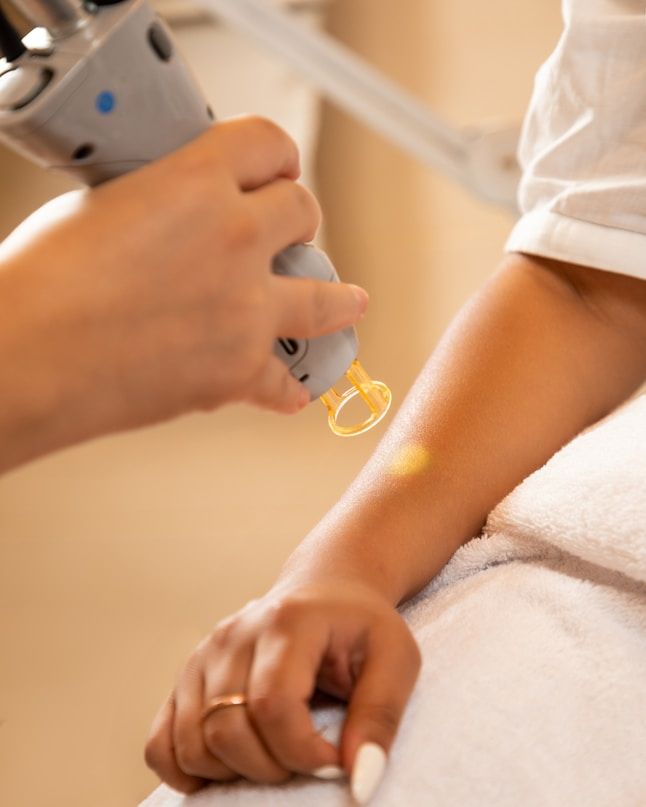
- Radiofrequency skin tightening
- Laser-based therapies
- Collagen stimulation
- Structured Weight Management Programs combined with contouring
Combining aesthetic procedures with supportive wellness strategies often produces better long-term outcomes.
While cellulite cannot be permanently eliminated, significant improvement is possible with a thoughtful treatment plan.
Can Lipedema Be Treated in an Aesthetic Setting?
Lipedema management is multidisciplinary and may include:
- Compression therapy
- Manual lymphatic drainage
- Anti-inflammatory lifestyle modifications
- Surgical intervention in advanced cases
Aesthetic treatments may improve appearance but do not cure lipedema.
If symptoms are consistent with lipedema, the priority becomes proper diagnosis and coordinated care rather than cosmetic correction alone.
Long-Term Expectations
For cellulite:
- Gradual improvement
- Maintenance treatments
- Collagen remodeling over time
For lipedema:
- Structured medical management
- Symptom monitoring
- Long-term support
Realistic expectations are essential for satisfaction.
Lipedema and Cellulite in Fulton and Marriottsville, MD
Pura Vida Med Spa proudly serves patients from Fulton, Marriottsville, Columbia, Ellicott City, Clarksville, Laurel, and surrounding Howard County communities.
With two convenient locations, patients can receive professional evaluation close to home in a medical spa setting focused on thoughtful assessment and personalized care.
When to Schedule a Consultation
You may benefit from evaluation if you experience:
- Persistent lower body enlargement
- Painful or tender tissue
- Swelling resistant to lifestyle changes
- Frustration despite healthy habits
You can learn more about Body Contouring Treatments or Book a Consultation to discuss individualized recommendations.
Final Thoughts
Although lipedema and cellulite may appear similar, they require very different approaches. Cellulite is a cosmetic concern that responds well to aesthetic treatment. Lipedema is a chronic medical disorder requiring structured management and careful diagnosis.
Clear understanding leads to safer decisions and better outcomes.
At Pura Vida Med Spa in Maple Lawn and Marriottsville, MD, evaluation always comes before intervention. Thoughtful planning ensures that each patient receives care aligned with their specific needs.
Related reading: Menopause belly | Emsculpt body contouring | Hormone therapy and weight loss
The National Institutes of Health provides authoritative guidance on this topic.